
2026 Election Advocacy Toolkit
Museums: Scotland’s Stories, Scotland’s Future
Introduction
Scotland’s museums play a vital role in all our communities from protecting our shared heritage, supporting wellbeing, inspiring creativity, and helping people make sense of the world around them.
As we approach the 2026 Scottish Parliament election on 7th May 2026, it’s more important than ever that this impact is visible, valued, and understood by the people who shape national policy.
We’ve created this campaign toolkit to make it simple for museums of all sizes to take part in the campaign, with practical tips and ready-to-use content.
By using the tools and sharing your stories, you can help:
- Show the real difference museums make across Scotland
- Ensure the sector’s priorities are heard by political parties
- Strengthen the case for long-term support, investment, and recognition
- Build a collective voice that reflects the diversity and creativity of our museums
Every post, story, and conversation helps build momentum to secure political recognition and support for museums as trusted civic spaces and drivers of social good.
Explore the toolkit below and join the campaign.
Charities can campaign on political issues that are related to your charitable purposes and in the interest of your organisation. It’s important to be aware of additional regulations during an election period. Check out the “Further Political Campaigning” section.
The National Policy Asks
The campaign is built on 4 national policy asks, which highlight where government action can make the greatest difference. We’re asking museums to support these asks and shape your own local fifth ask, connecting national ambition with local need.
Together, these asks will build a unified national voice with local impact.
The 4 National Asks:
- Multi-year support for Museum Futures.
- Recognition of museums as forces for social good.
- Support for museums as trusted civic spaces for inclusion.
- Capital investment to reduce carbon footprints and adapt for a changing climate
Adding your local ask
Download the editable PDF template provided below, then write your “local ask” directly into the document. Keep your message short, clear, and accessible, using plain English throughout. Focus on the community benefits and explain why the issue matters locally in a way that is easy for anyone to understand. Your local asks could be examples such as: support for our education outreach to local schools, small capital works to improve accessibility, or funding for community wellbeing programmes.
Engaging with candidates
By building relationships with local politicians, museums can secure support for development and demonstrate their value within the community. Engaging with candidates can be done by facilitating site visits or through social media. Find further guidance on this in the sections below.
Find your candidates
The Electoral Commission will publish a full list of candidates standing in every constituency and regional list on their website on Thursday, 2nd of April 2026.
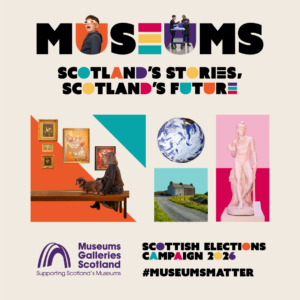
We’ve created some social media assets to help you promote the campaign. You can share our campaign asks and slogans, add campaign banners to your social media profiles, and use our templates to create a unique campaign ask for your museum.
Make sure to use the #MuseumsMatter hashtag in your social media posts!
Arranging candidate visits to your venue: how to guide
Why invite candidates?
Inviting political candidates to your museum during an election campaign is one of the most effective ways to show the impact of museums in a tangible, memorable way.
A visit shows politicians the value of museums in action. It makes your asks real and memorable because candidates can connect your asks to real people and real outcomes. It also helps position your museum as a trusted, active part of the local constituency, showing how you contribute to education, wellbeing, and the local economy. By creating a positive, informed experience, you increase the likelihood that candidates will champion museums in their policy priorities.
Steps to arrange a candidate visit
Identify candidates
- Find out who is standing for election in your area. Use official sources such as the Electoral Commission, your local council website, or the Scottish Parliament/MSP constituency lists.
- Make a note of candidates’ party affiliation and any roles they currently hold. This helps tailor your conversation and highlight relevant issues.
Send an invitation
- Use the sample letter provided in our campaign pack, but personalise it: mention why your museum matters to the local community and be sure to highlight any recent achievements or projects that align with their priorities.
- Be clear about what the visit will involve and how long you estimate it will take (e.g., a short tour, meeting staff, seeing community programmes).
- Offer flexible dates and times to accommodate campaign schedules.
- Include your contact details for follow-up.
Plan the visit
- Showcase your strengths: Choose exhibits or spaces that best show your museum’s impact, such as community projects, educational programmes, or unique collections.
- Prepare talking points: Focus on 2–3 key messages or “asks” (e.g., funding support, policy changes). Keep them concise and linked to what the candidate will see.
- Involve people: Invite volunteers, staff, or local partners to share their experiences. This makes the visit more personal and authentic.
- Campaign materials: Have printed materials ready (e.g., leaflets, briefing notes) so candidates leave with something tangible.
- Logistics: Confirm timings, accessibility needs, and who will greet the candidate. Assign someone to lead the tour and someone to take photos.
Capture the moment
- Assign someone to be responsible for taking high-quality photos during the visit, showing the candidate engaging with staff, volunteers, or collections.
- Share the visit on your social media channels using the campaign strapline (Museums: Scotland’s Stories, Scotland’s Future) or a campaign hashtag (#MuseumsMatter)
- Tag the candidate and their party (if appropriate) to increase visibility.
Follow up after the visit
- Send a thank-you email promptly after the visit. Include a photo from the visit and a reminder of your key messages.
- If the candidate made any commitments or positive statements, note them down and share with Museums Galleries Scotland for tracking.
- Keep the relationship warm. Consider inviting them to future events or updates.
Further political campaigning
If you choose to run an active campaign during the election, please note that the Electoral Commission considers this non-party campaigning, which means there are specific rules you must follow.
The Office of the Scottish Charity Regulator (OSCR) has created a set of FAQs for Scottish charities to provide clarity on political campaigning.
Hold a Hustings
If you want to hear directly from candidates standing for election in your constituency, you can invite them to speak at a public meeting. Either online or in-person. This meeting is called a ‘hustings’. If you’re a registered charity, you must remain neutral. You cannot support or oppose any political party or candidate. The Electoral Commission have guidance on how to run a hustings.
Produce campaign materials
If you plan to create a campaign leaflet or any other material during the election, you must include an imprint.
An imprint shows who is responsible for publishing the material and must appear on both printed and digital content. You can read more about imprints here:
Other relevant guidance for non-party campaigners can be found here: Guidance for non-party campaigners at UK Parliament general elections.