A new Parliament must recognise the value of Scotland’s museums
Following the election, Senior Advocacy and Public Affairs Manager, David McDonald calls on the new Parliament and Government Ministers to recognise the vital role museums play in delivering public value.
Belonging. Fairness. Opportunity. These are some of the key issues that shaped the recent election. They are also key values embodied in Scotland’s museums every single day. As MSPs take up their roles, Museums Galleries Scotland has written to them and to the incoming Government Ministers to offer our congratulations and to set out what museums need.
Across Scotland, museums are trusted public spaces where staff work hard to ensure that communities see themselves and their stories reflected. In a fragmented public sphere, they remain among the few institutions that command broad public trust.
If we believe in strong communities, then we must invest in the infrastructure that sustains them. This Parliament should recognise museums not as cultural “extras” but as part of the essential infrastructure of civic life like libraries, schools, and community centres.

From inspiring education beyond the classroom, delivering lifelong learning, creating volunteering pathways, and opening doors to creative opportunities. Museums build our capacity, confidence, and transferable skills.
Museums are good for our health; they provide calm, reflective, and welcoming environments. They host programmes tackling loneliness, supporting mental health, and fostering intergenerational connection. At a time of sustained pressure on health and social care systems, preventative and community-based support matters. Museums are already part of that preventative ecosystem.
The pride in place that our museums exhibit is not abstract. It drives economic behaviour, anchors many town centres, and generates a footfall that sustains local hospitality and retail.
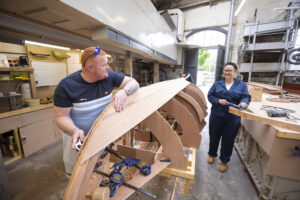
And then there is the day job. Museums are custodians of Scotland’s stories. They safeguard collections of local and national significance. They provide context in complex debates about identity, history, and representation. They ensure that Scotland’s past is neither lost nor simplified, but interpreted with care and expertise. Despite this track record of delivery museums’ contribution is too often overlooked in public debate. Cultural investment is frequently framed as discretionary. We see it as foundational.
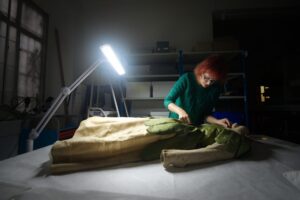
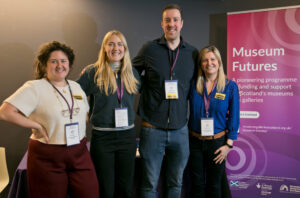
So if this Parliament expects museums to deliver on national priorities, it must provide the conditions that allow them to do so. That means multi-year funding certainty, enabling strategic planning, fair work, and a commitment to the pioneering Museum Futures programme, because a sustainable museum sector cannot be built on annual uncertainty.
The election is over. The responsibility begins.