Strategy Symposium 2026: Shared stories and futures
From sector resilience and political discussion to anti-oppression and climate action, our Advocacy Manager David McDonald shares the key takeaways from the panels and workshops held at Scotland’s Museums and Galleries Strategy Symposium 2026.
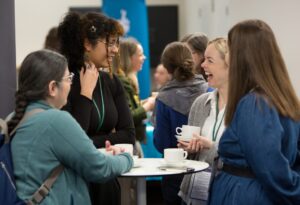
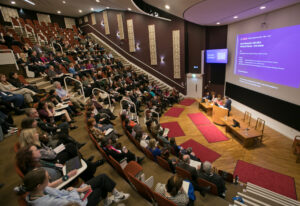
Colleagues gathered in Edinburgh for Scotland’s Museums and Galleries Strategy Symposium, earlier this week to reflect on progress, share experiences and explore what comes next for museums and galleries across the country.
Throughout the day, a number of common themes emerged, but the one that surfaced time and again was the power of stories.
Starting with stories
Culture Secretary Angus Robertson provided an opening message for the Symposium that helped to frame may of the topics explored across the event. He set out the governments support for the sector in recent years and reminded us that museums play a powerful role in our national cultural life as the places where our stories are told and our collective member protected. He spoke about being impressed by the breadth of impact the sector makes but he also recognised the challenges we face saying the Scottish Government would ensure the value of the sector is recognised across government as having a role to play in creating a fairer more sustainable Scotland.
The opening session heard directly from Leisure and Culture Dundee, the Tall Ship Glenlee, and the David Livingstone Birthplace Museum all early participants in the Museum Futures programme, who reflected on their experiences of exploring new approaches to sustainability and organisational change within their museums.
Speakers shared practical insights into projects they had been testing, the challenges they encountered and the lessons they had taken forward.
These reflections brought the ambitions of Scotland’s Museums and Galleries Strategy to life, and demonstrated how organisations across the sector are experimenting, adapting and learning from one another. Just as importantly, they showed the value of sharing those experiences openly so others can learn from them too.
Stories across the sector
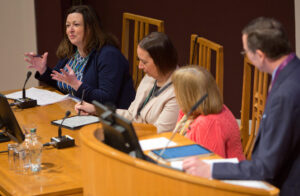
As the day progressed, discussions moved across a range of topics from the ways museums are responding to the climate and nature crisis with speakers from Stromness Museum, East Lothian Council and NESCAN Hub sharing examples of public engagement, demonstrating how museums can support greater understanding of the climate emergency and encourage collective action.
These conversations highlighted the unique role museums can play in connecting people with the natural world, local landscapes and shared environmental histories. They also reinforced the idea that museums are not only places where stories of the past are preserved, but spaces where new stories about our shared future are being shaped.
Alongside the presentations and panels, the symposium featured practical workshops that brought stories and experience to life. In Inclusion Work in Polarised Times, participants from the Delivering Change: Museum Activists programme shared their approaches to anti-oppression, exploring ways to make Scotland’s museums more welcoming in an increasingly divided climate.
Meanwhile, Hands-On Heritage: The Modern Apprenticeship Experience showcased the transformative power of apprenticeships, with firsthand accounts demonstrating how work-based learning builds skills, confidence, and long-term value for both individuals and organisations.
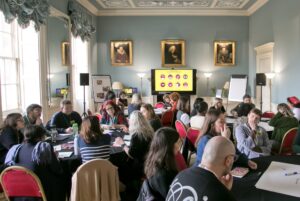
There was also a world café-style session on museums and population health which invited participants to share experiences and explore how the sector can strengthen its role in place-based health improvement, highlighting the growing importance of partnership, evaluation and training in demonstrating museums’ positive impact on wellbeing
Together, these sessions highlighted the sector’s commitment to learning, reflection, and investing in people as central to museums’ ongoing growth and relevance.
Stories behind the scenes
Some of the most thought-provoking discussions focused on work that often takes place quietly behind the scenes.
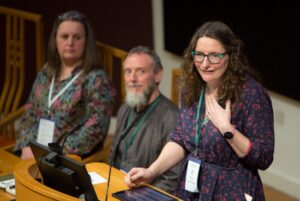
One session explored the realities of rationalising collections a necessary but often misunderstood aspect of collections management. Colleagues from across the sector shared their experiences of reviewing collections to ensure that museums are caring for material responsibly, sustainably and with clear purpose.
What emerged were deeply thoughtful reflections from the professionals doing this work. Rationalising collections is not simply a technical process; it involves complex ethical considerations, emotional connections to objects and a careful balance between stewardship and transparency.
Speakers from ANGUSalive, The Royal Scots Regimental Museum, and Aberdeen Archives, Gallery & Museums spoke candidly about the challenges involved navigating public perception around deaccessioning, the isolation that can sometimes accompany difficult decisions, and the practical hurdles of managing large and historically accumulated collections.
Hearing these experiences shared openly offered a rare insight into a part of museum practice that is essential to the long-term care of collections but rarely visible to the public. It was a reminder that many important museum stories are not only found in exhibitions, but in the professional work that sustains collections for future generations.
A political conversation
The theme of storytelling carried into the political panel discussion.
With the Scottish Parliament election approaching, the panel brought together representatives from across the political spectrum to discuss the role museums and galleries play within communities across Scotland.
Throughout the conversation, speakers reflected on the many ways museums contribute to public life – supporting education and learning, strengthening community identity, contributing to local economies and providing spaces for wellbeing and connection. And the politicians also shared their own stories and memories of visiting museums reminding us of the enduring impact museums have in people’s lives.
Return stories
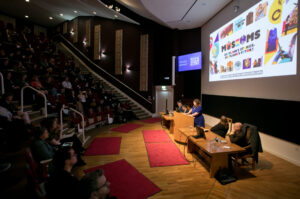
The symposium closed with another powerful set of stories, this time focused on return and repatriation. Colleagues highlighted new advice resources on the MGS website and shared examples of ongoing collaboration between Scotland and the Caribbean through projects such as Reveal & Connect, which has brought together museum professionals, researchers and communities to explore the histories and futures of collections.
One particularly striking example, shared by Elizabeth Morrison from the Natural History Museum of Jamaica, centred on the return of a specimen of the extinct Jamaican lizard, the giant galliwasp, from The Hunterian to Jamaica. The specimen now affectionately nicknamed Celeste has become a powerful symbol within conversations about the meanings and boundaries of cultural heritage.
Shani Roper from UWI Museum and the University of the West Indies explained how the story prompted wider reflection about how we define cultural property. Traditional definitions of Caribbean cultural material often focus on objects physically shaped by people for societal use. But this return has seen a shift in understanding, one that recognises the deep relationship between people, place and the natural world.
Looking ahead
Our CEO Lucy Casot closed the day by reminding us that the actions sitting behind the Strategy’s ten priority areas are soon to be reviewed and refreshed, with a new three-year action plan being developed for both the sector and Museums Galleries Scotland. She invited colleagues to help shape this next phase by completing this short survey.
The symposium is an all too rare opportunity, events that bring us together remind us that museums across Scotland are not standing still, but are telling stories and leading conversations about identity, justice, climate, wellbeing, community, and economic resilience.
All of these stories spark conversation, they inspire and challenge us to ensure Scotland’s museums and galleries aren’t seen as only custodians of our past, but active participants in shaping our shared future. We can look forward to coming together again next year for the next chapter in this ongoing story, continuing to share, collaborate, and imagine what Scotland’s museums and galleries can achieve together.