Burns, Scots, and schools: engagement at the Robert Burns Birthplace Museum
The Workforce for the Future programme supported museums, schools, and Developing the Young Workforce to work together to provide young people with the opportunity to learn more about how local history is shared, whilst exploring the museum as a workplace.
In this case study Chris Waddell, National Trust for Scotland Learning Manager, reflects on how long term engagement at Robert Burns Birthplace Museum supported Primary 7 students to learn about Burns, the Scots language, and different roles in the heritage sector.
In brief
- Through the Workforce for the Future programme staff at Robert Burns Birthplace Museum created a school’s project to enable longer term engagement with students.
- The project timetable supported a variety of different activities, visits, and interactions with the museum.
- The project furthered the team’s relationship with the school.
Background
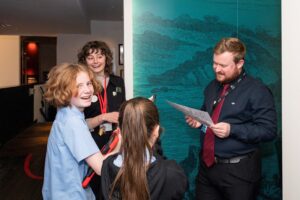
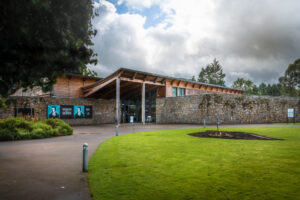
This was a 7 week project engaging Primary 7 students from Kincaidston primary, Ayr, with the work that takes place at the neighbouring Robert Burns Birthplace Museum, a National Trust for Scotland site.
Project timetable
Week 1 (Museum visit) students met the Learning team for a tour of the site and had a brief discussion about:
- Learning
- Retail
- Food and Beverage
- Curatorial
- Facilities
- Gardens
Week 2 (School visit) the Learning team discussed with the students:
- The importance of Robert Burns to Scotland
- The importance of Robert Burns to Ayrshire and its economy
- The Scots language
Week 3 (Museum visit) students experienced:
- Handling sessions with the Collections Care Officer
- Learnt about Integrated Pest Management (dealing with beasties!)
Week 4 (Museum visit) students used the outdoor spaces to:
- Focus on outdoor learning (Bushcraft, Den Building, ID skills) with Learning staff
- Focus on gardens with Gardening staff
Week 5 (Museum visit) during this time students:
- Met Volunteer Guides
- Went on a guided walk
- Developed ideas in groups for guided walks
Week 6 (School visit) Learning staff met with the students to:
- Work on guided walks
Week 7 (Museum visit) students with the support of the Learning staff and volunteers:
- Delivered guided walks
Successes
- Students have an increased knowledge of Robert Burns and the Scots language used by Burns and of that used in Ayrshire today.
- They have a greater understanding of the significance of Burns globally and in Scotland and the impact of this on the local and broader Scottish economies.
- During regular museum visits students have discussed the contribution Robert Burns Birthplace Museum makes locally, both socially and economically.
- Through engagement with different roles at the museum the students have a fuller understanding of the range of areas of work, including Learning, Gardening, Food and Beverage, Functions and Events, Operations, Collections Care.
It’s been fantastic having our young people take part in the project as it’s helped them develop new skills and build their confidence and knowledge around Robert Burns at the same time. We’ve really appreciated the time and care the staff at the Trust have shown to them, engaging with them on the different roles involved in running the museum as well as supporting them to research, develop and deliver their guided tour around Burns Cottage, Poet’s Path, the Auld Alloway Kirk and the Burns Monument Gardens, which was great fun.
Rachel Stone, Kincaidston Primary School class teacher
Challenges
- A couple of the dates were altered mid project to accommodate issues around staff availability, but it didn’t significantly alter the flow of the project.
Impact
- The children embraced this project with huge enthusiasm and I feel this project has had a significant social impact on them. The school falls within an area which scores highly on the social deprivation index and as such, this makes the students an atypical audience for the museum (and museums in general) but through visits and engagement with the team this project has helped build a future audience.
- From a personal development viewpoint I found this project extremely satisfying. As Learning Manager I seldom get to form real relationships with students – the average visit only lasting two hours. This project allowed me to engage for almost two months with a single group, getting to know them, work with them and understand them. I even got to learn their names!
- The project instilled confidence in the students, especially around the use of Scots (an area I feel passionately about).
- Confidence was built during the process of tour development and delivery. Many of the children initially professed nervousness around talking to groups of unfamiliar adults. However, the process of coaching and encouragement meant that they all performed with great confidence on the day of delivery.
- Legacy elements of the project included the gifting of den building kits to the school (as used in the outdoor learning elements of the project).
- The outdoor learning segment also allowed the Learning team to ‘dry-run’ some new bushcraft workshops which have been developed and will be made available to the broader schools audience as of 2025, thus enlarging our schools offer.
- The Primary 6/7-year groups from Kincaidston will be returning in early 2025 to take part in Burns related workshops from our schools programme, further building on this relationship established during this project.
Guidance for museums and galleries
- Part of the National Trust for Scotland’s strategy is seeking to enable a greater number and diversity of people and communities to access our properties to improve their health and wellbeing. We want to show visitors and locals alike how precious our national treasures are and enlist their help and support to look after them. I firmly believe that the recurring contact with pupils during this project led to better engagement and stronger outcomes. The Trust should look towards further longer-term engagement projects such as this, which would lead to new audiences visiting our sites
Additional information