
MGS has awarded a total of £2 million through the Museum Futures programme.
The funding will support museums to achieve long-term sustainability by increasing leadership capacity, addressing barriers to financial resilience, and investing in ambitious projects that will improve their financial positions.
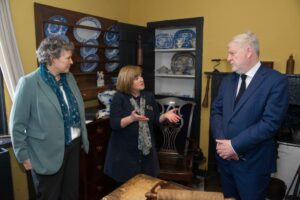
Culture Secretary, Angus Robertson, welcomed the awards announcement during a visit to David Livingstone Birthplace this morning. The museum received £35,000 through the Leadership Capacity Fund, one of the funding streams available through Museum Futures, to create capacity for the leadership team to focus on future planning and strategic development.
Culture Secretary, Angus Robertson said:
“The Museum Futures programme reflects the Scottish Government’s commitment to working in partnership with Museums Galleries Scotland to ensure our museums flourish. These two funds are designed to help organisations enhance their sustainability through support for innovation and collaboration.
“Local museums are responsible for bringing the stories behind their communities to life. The Museum Futures programme aims to give them a solid foundation to build on by helping organisations think strategically about their long-term sustainability and give them the support and confidence to put those ideas into action.”
Lucy Casot, CEO of Museums Galleries Scotland said:
“We are delighted to reach this important milestone in the Museum Futures Programme and to see the positive impact the support is already having on our museums. The scale and ambition of the projects being supported demonstrates both the creativity of the sector and its determination to innovate and adapt.
“Museum Futures is not only addressing immediate challenges; it is helping to build a more confident, collaborative, and financially resilient museum sector for the future.
“We are incredibly proud to be working alongside our programme partners to support museums as they transform, grow, and continue delivering vital social, cultural, and economic value across Scotland.”
Other museums to receive grants include The Museum of Lead Mining in Wanlockhead which has been awarded £90,000 to install a water source heat exchange system, developed in collaboration with the University of Edinburgh. Heat is harnessed from the water of a nearby burn, which receives warmed water draining from the old mines. The new system will provide sustainable heating and hot water to the visitor centre, significantly reducing the museum’s carbon footprint.
Meanwhile, Ness Historical Society’s project is a brilliant example of the different roles that museums often play in their communities. Their grant of £126,900 will support a redevelopment project to expand its shop to support future growth and meet the needs of its community. The building which houses a museum, café, arts venue, and shop is an essential community hub in North Lewis, particularly following the closure of other nearby businesses including the local post office. The renovated shop will work with local businesses to stock environmentally friendly products that promote the Gaelic language and North Lewis heritage.
Live Borders has been awarded £92,000 to bring the intriguing dark history of Jedburgh Castle Jail to life. Visitors will be able to step into the past through an immersive escape room and costumed story-led tours, creating exciting new experiences while generating a sustainable income stream for the museum.
Grampian Transport Museum will use its £125,000 grant to create a brand-new heritage vehicle workshop, where classic cars can receive expert maintenance and light repairs from an in-house mechanic. The project will not only strengthen the museum’s ability to care for its own collection but will also generate sustainable revenue from customer work and offer a bespoke space to teach heritage vehicle skills through its Heritage Skills Programme.
Ullapool Museum has received £50,000 to develop an engagement programme to strengthen relationships with the travel trade and growing cruise ship market, positioning the museum as a key cultural destination within the region and attracting new audiences. As part of the project, the museum will launch new tourism packages, visitor experiences, and retail offerings, supported by a new Commercial Development Officer.
Together, these projects demonstrate the ambition and adaptability of Scotland’s museums. By investing in leadership, sustainability, and visitor experience, Museum Futures is enabling museums across the country to adapt, innovate, and thrive. The programme marks an important step towards a more confident, collaborative, and financially secure museum sector.