
Conservation and lighting
This page explains how light damages museum collections and what you can do to protect them. It covers the different types of light and radiation, how to set appropriate light levels for different materials, how to control daylight and artificial light, and how good lighting practice can reduce your energy bills and support climate sustainability.
Introduction
Light is essential for the study and enjoyment of collection items. Lighting enhances the atmosphere of a museum or gallery, helps visitors to appreciate exhibits, and draws attention to items on display. Finding the right balance between enough light to engage visitors and low enough levels to protect collections is one of the central challenges of museum display.
Light can also cause irreversible damage. Over time, dyes and pigments fade, and light-sensitive materials change or deteriorate when exposed to light. Controlling both the amount of light your collections receive and the duration of exposure helps reduce the risk of damage.
The international standard that informs museum lighting practice is CIE 157:2004, Control of Damage to Museum Objects by Optical Radiation, published by the International Commission on Illumination. This standard can provide deeper technical understanding of the effects on light on museum collections.
How does light damage collections?
Light is a form of energy measured in wavelengths. Natural light starts at a wavelength of 300 nanometres. Anything shorter cannot make it through the atmosphere.
The light spectrum divides into three main groups:
- Ultraviolet (UV) radiation: wavelengths shorter than 400nm, invisible to the human eye. UV radiation causes the most damage to collections.
- Visible light: the spectrum between 400 and 760nm that humans can see, seen in the colours of the rainbow.
- Infrared radiation: anything longer than 760nm, also invisible, but felt as heat.
Most types of light contain all three components to varying degrees. Daylight has high levels of UV radiation. Tungsten bulbs emit significant amounts of infrared. LED white light is the preferred choice for museum displays as it produces minimal UV and infrared radiation.
How to control daylight
Daylight fluctuates in intensity, making it difficult to control. Removing it altogether can make your museum or gallery feel unwelcoming and increase reliance on artificial light.
Options for managing daylight levels in your building:
- Eliminate all direct sunlight
- Keep light-sensitive objects away from windows
- Apply solar control film to all windows and skylights. This has a tinting effect and reduces light levels without blocking natural light entirely
- Use net curtains, Venetian blinds, calico roller blinds, or mesh blinds to reduce light. Think about how blinds affect the appearance of older buildings. They come in different colours, some of which can fade over time, so opt for calico or more natural colours
- Block light entirely using blackout blinds or shutters
How to control artificial light
Artificial light gives you full control over the colour, warmth, intensity, and distribution of light in your museum. Keep exhibit lighting on a separate circuit from general gallery lighting. This lets you turn off case lighting when the public are not present, limiting direct exposure to collections.
Reduce damage from artificial light by:
- Training staff to turn off lights when not needed
- Using low-wattage bulbs
- Reducing the number of lamps, spots, and uplighters
- Diffusing the light
- Using dimmer switches
- Putting lights on sensors or timers
- Providing separate lighting for cleaning staff
How to reduce light damage
There are four key ways to limit light damage to your collection:
- Reduce or eliminate visible light intensity, especially direct sunlight
- Reduce the time an object is exposed to visible light to counter cumulative damage
- Eliminate unnecessary invisible radiation
- Replace extremely sensitive items with facsimiles and keep originals in storage
What lux levels are right for your collection?
The intensity of visible light is measured in lux (1 lux = 1 lumen per square metre). Monitor lux levels carefully, especially when displaying light-sensitive objects. You only need 50 lux to see the shape and colour of an item, though this an seem low if visitors are coming from a brighter space. Think about how your lighting takes visitors from outside light levels to lower lux levels inside, and allow for natural eye adjustment where areas appear darker.
Avoid higher lux levels when displaying valuable and fragile items.
The guidelines below show the sensitivity of different materials and their appropriate maximum light levels.
Very sensitive (50 lux maximum)
- Costumes, textiles, and upholstery
- Fur and feathers
- Dyed leather
- Prints
- Drawings
- Watercolours
- Stamps
- Manuscripts
- Coloured and old photographs
- Miniatures
- Transparencies
- Unprimed, thinly coloured paintings on canvas
Moderately sensitive (200 lux maximum)
- Oil and tempera paintings
- Lacquerware
- Plastics
- Wood
- Furniture
- Horn
- Bone
- Ivory
- Undyed leather
- Minerals
- Modern black and white photographs
Insensitive (300 lux maximum)
- Stone
- Ceramic
- Metal
- Glass
Materials vary depending on how they were made, so check with a conservator if you are unsure.
Why cumulative light exposure matters
Light damage is cumulative. The longer you leave an item exposed to light, the more damage it causes. Reducing damage means considering both intensity and duration of exposure. A watercolour exposed to 50 lux for 100 hours suffers the same damage as one exposed to 100 lux for 50 hours.
Use annual light exposure levels for the most accurate assessment of light damage in your museum.
Recommended annual exposure
Annual light exposure is calculated using standard museum opening hours: seven hours a day, six days a week, over 52 weeks. On this basis, an item can be exposed to light for 2,184 hours a year.
Include out-of-hours events, filming, and any external lighting that falls on objects when calculating annual exposure.
Multiply exposure hours by the recommended light intensity to calculate lux hours. The recommended maximum annual lux hours are:
- Very sensitive items: 100,000 lux hours
- Moderately sensitive items: 450,000 lux hours
How to reduce the length of exposure
If you cannot reduce light intensity to recommended spot check levels, reduce the number of hours of exposure to meet annual limits.
Ways to reduce exposure time:
- Move items into storage, away from light, once they reach their recommended annual lux hours
- Rotate items regularly, changing displays and returning items to storage
- Turn pages of books and illuminated manuscripts regularly
- Fit curtains to display cases
- Fit time switches to artificial lighting
- Install movement sensors that switch lights on only when someone is in the room
- Use curtains or blinds to exclude all light when the museum is closed
- Eliminate non-visible radiation using films on windows, showcases, and bulbs
How to reduce ultraviolet radiation
UV radiation is invisible to the human eye, so it needs careful monitoring. This also means it can be almost eliminated in museums without affecting how visitors see exhibits.
Both daylight and artificial light emit UV radiation. Its short wavelength makes it the most damaging component of light to museum collections.
Tools for reducing UV radiation include:
- Laminated glass, self-adhesive film, and UV-absorbing materials such as varnish and acrylics for windows, skylights, and display cases
- UV-absorbing sleeves and filters for artificial light sources
- Lamps and tubes with low UV emission
- White paints based on titanium dioxide or zinc oxide. Light reflected by a white painted wall contains less than 20% of its original UV radiation. Whitewash (chalk) is not effective
Each of these materials has a different life expectancy, so monitor how effective they are over time. Laminated glass lasts the longest. Check with your supplier that their films and filters are suitable for use in museums.
How to manage infrared radiation
Many light sources emit infrared radiation, which generates heat. Tungsten lights are particularly inefficient: a 100 watt bulb uses around 94% of its electricity to produce heat rather than light.
Hot display cases and rooms cause fluctuations in relative humidity, which damages collections, especially organic material. Manage and control infrared radiation as part of your lighting plan.
Tips for controlling heat from light:
- Mount lights at a safe distance from objects, preferably outside display cases
- Use cool-beam lamps, which reflect heat back but allow visible light through
- Install fibre-optic lights, which bring light from an external source and automatically filter out both UV and infrared radiation
Plan for infrared radiation when designing a lighting system. Consult professional museum designers and conservators before investing in lights, and make sure every lighting system meets museum standards.
How to light your museum sustainably
Investing in the right lighting or a track system can involve significant upfront costs. Choosing your lighting carefully leads to long-term savings. Lighting collections efficiently prevents unnecessary damage that would otherwise require costly conservation or restoration work. Limiting light exposure also reduces electricity bills.
Review whether you can repurpose or reuse existing lighting. Retrofitting or upgrading some systems is often the lower-carbon choice, even when newer technology is more efficient. The carbon cost of manufacturing new equipment should be weighed against the energy savings it delivers before you invest.
A good lighting management system protects the environment and makes your museum more sustainable. LEDs, fibre optic lights, and cool-beam lamps all offer energy saving and lower-carbon options. LED lamps also produce less heat and less UV radiation than halogen bulbs, giving better protection to collections and meeting the requirements of lending institutions. Switching lights off regularly reduces your building’s carbon footprint further.
Pier Arts Centre in Orkney converted their gallery lighting from halogen to LED, keeping almost all of their existing tracks and fixtures to avoid costly building work. The project cut electricity use by 15% in the first six months. Read the case study to find out how they managed the transition, including the challenges they faced and the expert advice that helped.
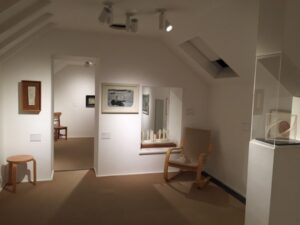
Good lighting practice is also part of your museum’s wider environmental responsibilities. Many funders and governing bodies now expect museums to demonstrate a commitment to sustainability. Reducing energy use through careful lighting management is one of the most visible and practical ways to meet that expectation. The ICON Environmental Sustainability Network has produced a Sustainable Museum Lighting Q&A exploring how lighting technologies and practices can be assessed against multiple measures of sustainability, including energy use, resource consumption, and lamp lifespan. We have also gathered climate action examples from Scottish museums, including LED conversions and renewable energy installations, showing how lighting decisions connect to wider sustainability goals.
Well-managed natural light can also play a role. Daylight reduces reliance on artificial lighting and carries its own sustainability benefits, as long as UV levels and intensity stay within safe limits for your collections.
Further information
For more information on collections care, read our other advice guides on collections.
The Collections Trust has further information on preserving your museum’s collections.
South East Museum Development: Museum lighting guide — a practical introductory guide to planning a museum lighting project, covering conservation, energy savings, visitor experience, and how to brief contractors.
ICCROM: Sustainable climate control and lighting in museums and galleries — a practical guide covering technologies, methodologies, and key trends to help museums balance visitor experience, collections care, and energy performance.
Several books offer in-depth guidance on museum lighting and environmental management:
- Environmental Management: Guidelines for Museums and Galleries (Cassar, M. 1995, Museums and Galleries Commission / Routledge, ISBN 0-415-10559-5)
- The Museum Environment, 2nd edition (Thomson, G. 1986, Butterworth)
- The National Trust Manual of Housekeeping (Butterworth-Heinemann, 2006, ISBN 0750655291)