
Improving your museum photography
As applications open for the latest round of our bursary for marketing photography, our Marketing and Communications Officer Joe Setch highlights the impact of previous rounds of the bursary and offers advice on how you can sharpen your own photography skills.
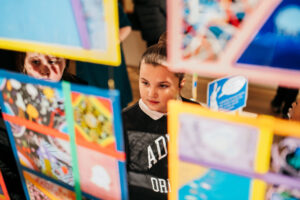

A picture is worth a thousand words. So what does your photography say about your museum? Every photo you share – on your website, over social media, and in your marketing materials – plays a part in shaping public perceptions of your museum or gallery. So it’s important that your photography succeeds in capturing the unique appeal of your venue.
I recently spoke about the value of engaging visuals in my Lunch & Learn session on how to make the most of your museum’s social media. Photography is one of the most powerful promotional tools at your disposal, so it pays to get it right.
One way to guarantee great photos is to hire a professional photographer. We understand that museums don’t always have the budget for this, which is why we’ve created a bursary for marketing photography. Applications for our latest round of the bursary are open until June 29th 2026: you can find details about this, including testimony from previous bursary recipients, below.
Professional photos are fantastic – but day-to-day photo opportunities require in-house skills. Keep reading for my top tips on how to take great photos of your museum without the need for expensive equipment or editing tools.
MGS bursary for marketing photography
By using professional photography, museums and galleries signal to their audiences that they’re a desirable destination that’s serious about providing a high-quality visitor experience.
Professional photographers are particularly important because museums and galleries can be challenging settings for photography. They often have dimly-lit rooms with lots of reflective surfaces, and overhead lighting that makes it difficult to take flattering photos of people.
Our photography bursary offers museums and galleries in Scotland a fantastic opportunity to commission gorgeous new photos of their public spaces, events, and activities. Previous bursary recipients have used this funding to commission photography of engagement activities, events, underrepresented audiences, museum interiors, museum exteriors, and retail settings. Here are some examples of the impact of the bursary so far:
“The photography bursary has had a huge impact on the Tall Ship Glenlee, transforming our social media presence, shaping our new website, and supporting our nomination as ASVA Visitor Attraction of the Year.
“From enhancing accessibility through the Bloomberg app to strengthening our commercial offer, the images have created a lasting legacy, recording our restoration and maintenance work while continuing to support future fundraising.”
Lauren Henning
Learning and Museum Manager, The Tall Ship Glenlee
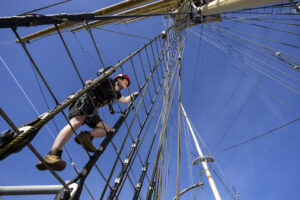
“The MGS bursary scheme came at an ideal time, enabling us to commission photography that accurately reflects improvements made across our site, showcasing the strength and wealth of our collections. This photography will also form the basis of a promotional/design guide we can share with media organisations.”
Chris Wilson
Watt Institution Co-ordinator,
Culture, Communities & Education Resources, Inverclyde Council
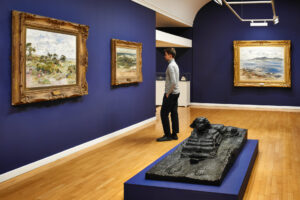
“We found the process really straightforward and were grateful for the patience and support provided in getting the commission completed. The images produced as a result of the bursary will make a big difference to our museums and marketing team in continuing to break down barriers that exist in engaging certain demographics.
“The ability to pay models to participate in photography is something we would not otherwise have been able to do and addresses an identified need to put people at the heart of marketing.”
Ingrid Leon
Projects and Funding Coordinator, ANGUSalive
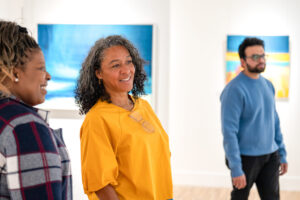
Tips for taking your own photos
Professional photos look great, but what if you want to capture those day-to-day moments? Time to take out your phone!
Whether it’s a image of an unexpected visitor to your museum, a new display in your shop, or a beautiful sunrise over your building, photos taken on your phone have an authentic, intimate, and immediate quality that their professional counterparts lack. This can be really important for building a personable social media presence.
Now that most of us have cameras in our pockets, our expectations for photography are higher than ever. It’s easy to point and click – but there are simple ways to elevate your photos and ensure you’re capturing your museum at its best. A good museum photo should:
- Display the personality of your museum. Do you want your audiences to feel energetic, reflective, cosy, adventurous? Use colour, framing, and subject matter to cultivate an aspirational atmosphere. For example – restrained images in muted tones convey a serious mood, while bright colours and unusual angles capture a quirky energy.
- Stand out from the crowd. Your photos should aim to make viewers stop in their tracks by featuring bold colours, unique scenes, and contrast between light and dark.
- Evoke the senses. Visitors laughing, enjoying food, moving energetically, or listening to interactives: photos that hint at at the multisensory experience offered by museums can make a stronger impression with viewers.
- Set expectations. Who can visit your museum? How should visitors behave? What should they wear? You can use photos to demonstrate that your museum is a place where everyone is welcome, and challenge misconceptions that museums are stuffy and formal environments.
- Transport the viewer. Your photos should appeal to audiences by offering them something that they can’t experience at home. This could be unique visuals, an inspiring location, or somewhere to make new memories.
Now you’ve got an idea of what to photograph, here are some practical steps for capturing the perfect moment:
Find the light. Light sources should be illuminating your subject, not casting them into shadow. The eye is naturally drawn towards the bright, colourful, and high-contrast parts of a photo. And remember that everything looks better on a sunny day!
Shetland Museum & Archives do a great job of using clear and bright photos to showcase their team, events, and collections.
Think about the background. If you’re getting a fun photo of a bunch of smiling volunteers, make sure it’s not by the bins. Take a few moments to declutter your surroundings, straighten things out, and position your subject in a scenic setting.
The photos in this recent post from Edinburgh Printmakers have bright, busy, and colourful backgrounds that complement the hands-on, lighthearted energy of their event.
Food photography can be tricky to get right. Use warm and vibrant colours, natural light, and an inviting table setting to reinforce the message that your food is tasty and fresh. Here’s a great example of some excellent food photography from Dundee Heritage Trust’s new café.
Photographing objects in glass cases isn’t easy. You want to avoid distracting reflections where possible – so find out if it’s possible for you to temporarily open a case, or have an object moved to a more suitable location for photography.
Size matters. If an image file is too small, it will start to go fuzzy and lose definition when it’s forced to expand to fill a space. If you’re planning to use an image on your website or social media, check the quality before and after you post it. For social media posts, we’d recommend an image width of around 1,000 pixels.
For more advice on photography, check out our Marketing Toolkit.
Beyond visuals: alternatives for visually impaired audiences
Strong visuals are important – but they aren’t everything. As more than two million people live with sight loss across the UK, it’s very likely that your museum’s audiences include people who are blind or otherwise visually impaired.
To create more inclusive promotional materials for your museum or gallery, make sure to always consider accessibility measures such as alt-text for your images. If you’re creating graphics, make sure you use large, legible fonts and high-contrast colours that can be viewed by people with colour vision deficiencies. Complement your photography with vibrant writing and immersive audio to ensure you’re creating content that can be enjoyed by the broadest possible audience.
For more information on creating accessible content, explore the VocalEyes website.
